
The Art of Selecting Glass Lifters for Buildings with Roof Overhangs
Release time:2025-11-14


Core Selection Criteria for Overhang Applications
1. Dynamic Load Stabilization
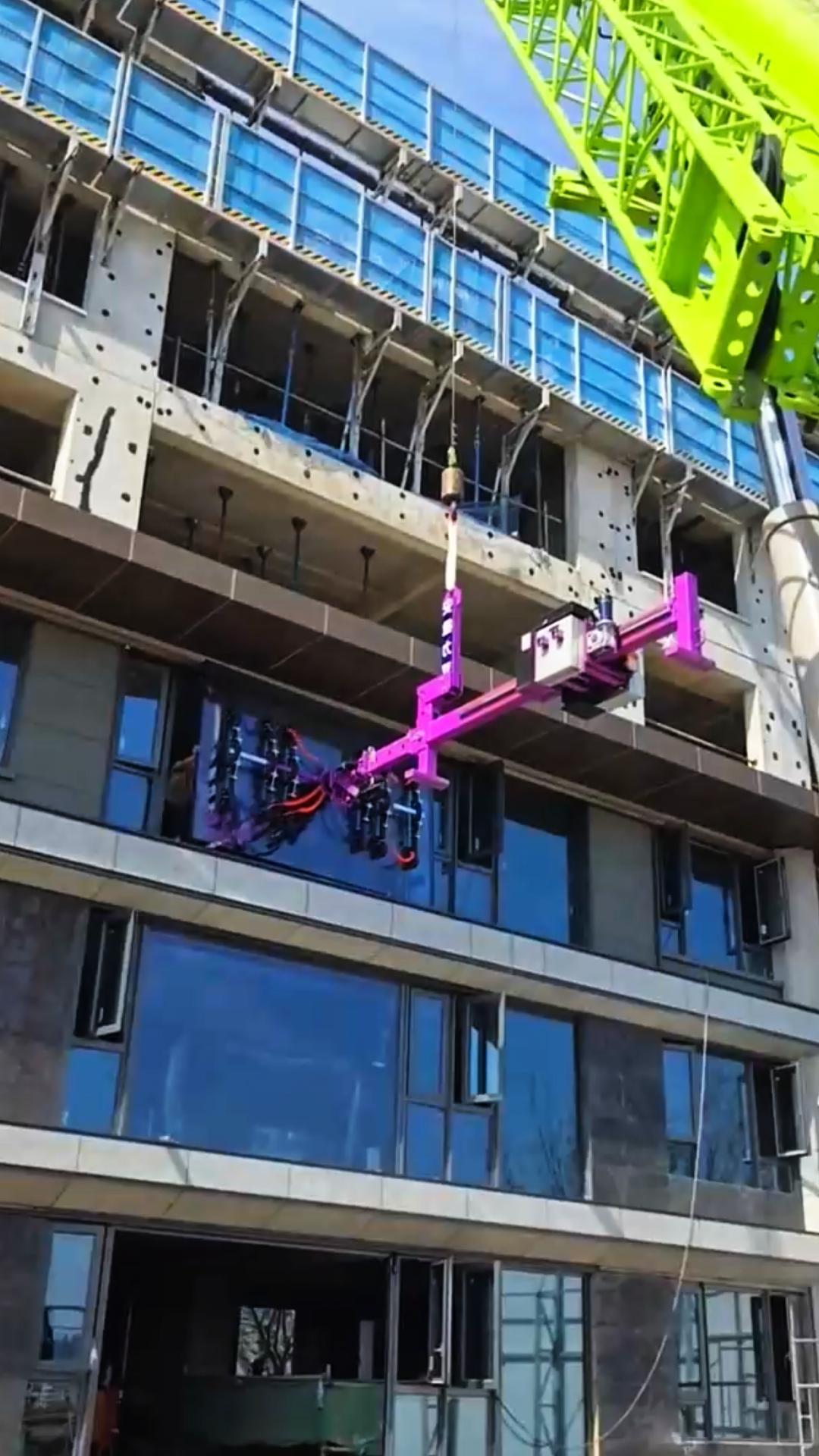
Unlike static suction holders for glass, the BVL 800's automatic balancing system continuously adjusts the counterweight during operation. This proves vital when maneuvering glass panels through the triangular space between building walls and roof eaves, where traditional vacuum suction cups for glass cannot maintain stability.
2. Geometric Adaptability
The 360° continuous rotation combined with 45° side turn capability allows the suction cup glass lifter to:
Navigate around protruding roof structures
Align glass panels parallel to sloped eaves
Retract arms (897mm extension) to clear obstacles
3. Operational Safety Matrix
With 800kg capacity, the unit handles oversized glass units common in modern architecture. The dual-alert system (audible + visual) provides real-time warnings for:
Battery status during extended 8-hour shifts
Vacuum pressure fluctuations
Unplanned tilt beyond 0-90° range
Technical Superiority in Practical Scenarios
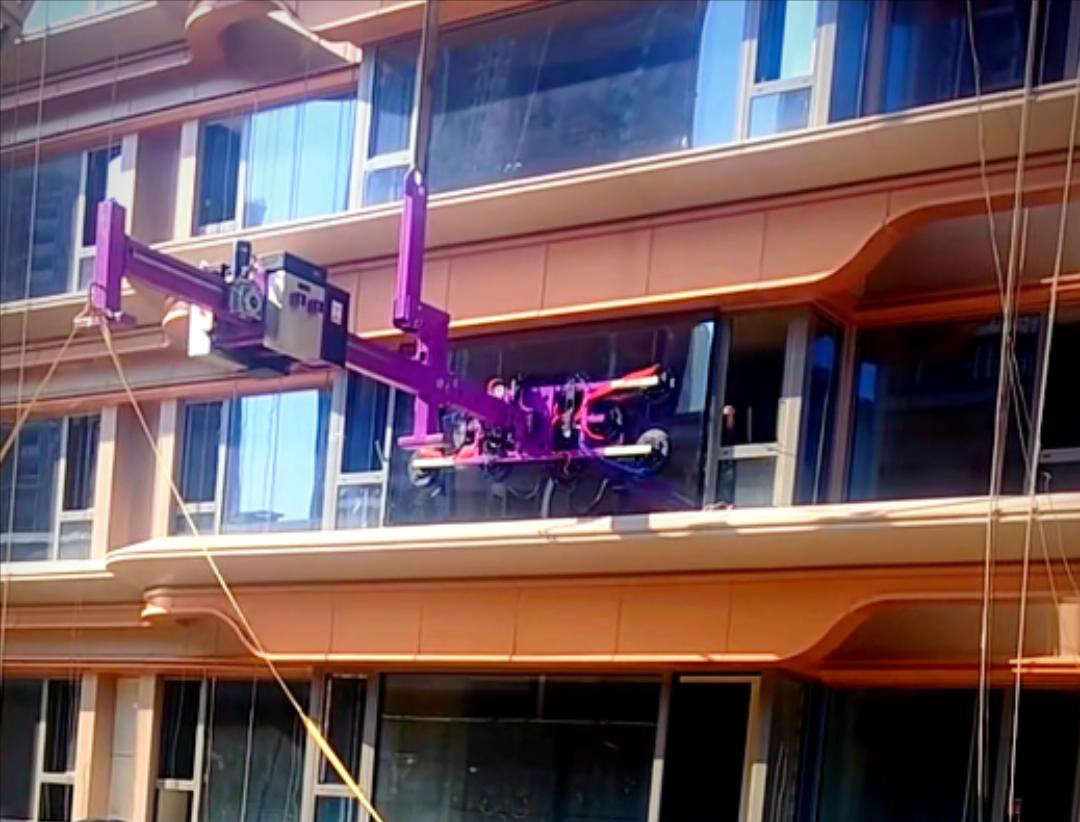
During the transfer process from truck to installation position, the DC24V power system demonstrates advantages over hydraulic alternatives:
No fluid leakage risks near glass surfaces
Consistent performance in temperature extremes (-20°C to 50°C)
Instant start/stop precision via wireless remote
The dual DC12V-100AH batteries deliver uninterrupted operation through typical glass installation cycles, eliminating downtime for charging during critical path construction phases.
More Blogs

Glass Lifting Robot Applications: How a Vacuum Glazing Robot Works on Site
BVL 2T Vacuum Glass Lifter – 2000kg Heavy-Duty Glass Lifting Machine
Battery Powered Vacuum Lifter Guide: How to Choose a Cordless Glass Lifter for On-Site Installation
B5 Factory, Yisheng Industrial Park, Hihg-Tech District, Qingyuan City, Guangdong Province, PRC, Qingyuan, Guangdong China